
The Best Web Hosting for Small Blogs in 2026 (An Honest Review)
Choosing a hosting provider is one of those decisions that feels small until it isn’t. A slow, unreliable host can quietly undo months of good writing and SEO work, while the right one fades into the background and simply lets your blog run. In this honest review, we look past the marketing banners and promotional countdown timers to compare the hosting providers that actually make sense for small blogs in 2026.
This is not an “everyone should pick the same host” article. Different bloggers have different needs, budgets, and technical comfort levels, so we’ve tried to be specific about who each provider actually suits.
What Actually Matters for a Small Blog
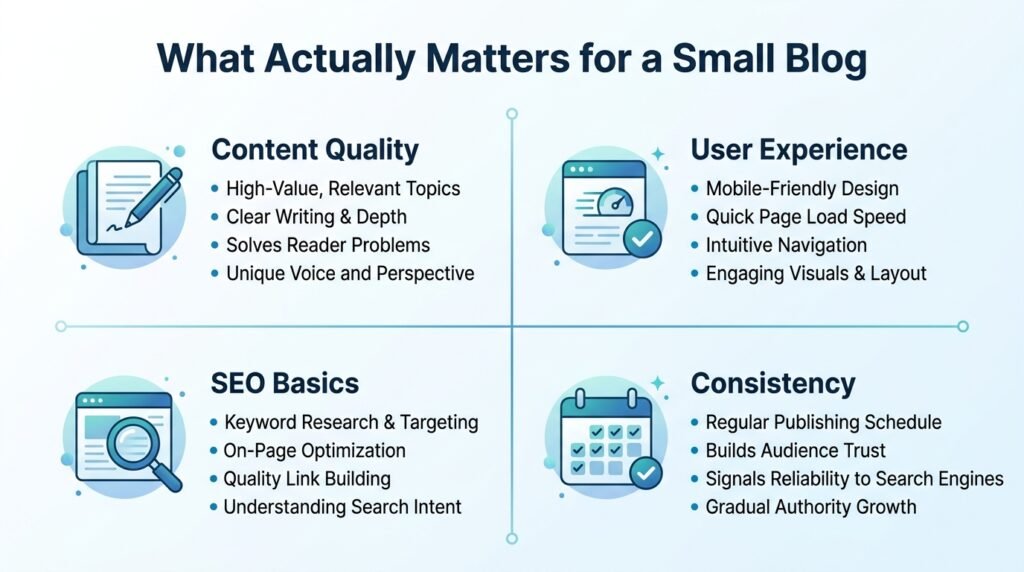
Before getting into individual providers, it helps to know what to look for. For a small blog, you generally don’t need massive storage or enterprise level infrastructure. What matters most is:
Loading speed, since slow pages hurt both reader experience and search rankings. Uptime, because a blog that goes down loses both readers and credibility. Renewal pricing, since many hosts advertise a low introductory rate that jumps significantly after the first term. Ease of use, especially if you’re not comfortable with server management or code. And support quality, because when something breaks at midnight, you want a real answer, not a chatbot loop.
With that in mind, here’s our honest breakdown of the top hosting options for small blogs right now.
Hostinger
Hostinger has become the name most independent reviewers point to first for budget conscious bloggers, and the reputation is largely earned, thanks to strong performance driven by its LiteSpeed server stack, which tends to outperform the Apache and Nginx setups many competitors still rely on under shared hosting conditions.
Hostinger’s control panel is also frequently praised for being approachable. Its hPanel interface is considered genuinely beginner friendly and is available in more than a dozen languages, which is a real advantage if you’re not managing an English first blog.
On pricing, Hostinger’s entry level shared plans currently start as low as roughly two to three dollars a month, though that rate typically requires locking in a long commitment, often 48 months, to get the lowest possible price. Shorter 12 month terms are available too, just at a somewhat higher monthly rate. The honest catch here is the renewal jump: once your introductory term ends, the plan renews at a noticeably higher monthly rate, and depending on the plan, that increase can be substantial, so it’s worth calculating the real multi year cost rather than judging the plan by its first year price alone. All shared plans currently include a free domain for the first year, a website builder, unlimited free SSL, and standard DDoS protection.
Best for: New bloggers who want strong performance at a low price and are comfortable committing to a longer term for the best rate.
Bluehost
Bluehost has been a recommended WordPress host for years, and it remains a solid, if slightly dated, choice for absolute beginners. Its user friendly cPanel control panel with single click WordPress installations makes it simple for small blog owners without a long learning curve.
Pricing is reasonable at the entry level, with shared hosting plans starting at just a few dollars a month and renewal rates climbing to somewhere around ten dollars a month, with higher tier plans available for those who need more storage or multiple sites. That said, in head to head comparisons Bluehost still has some catching up to do next to Hostinger, and this tracks with our own impression. Bluehost is comfortable and familiar, but it doesn’t lead on raw speed or pricing the way it once did.
Best for: Bloggers who value a well known, beginner friendly brand and don’t want to shop around for the absolute cheapest option.
SiteGround
If you’re willing to pay a small premium for support quality and reliability, SiteGround remains one of the most respected names in the industry. It’s generally recommended for bloggers who are willing to pay a bit more in exchange for excellent support, and its support team has a strong reputation for being fast and genuinely helpful rather than reading from a script.
On the security side, SiteGround maintains a custom web application firewall updated weekly, along with an AI powered system that blocks large volumes of bot traffic, and all plans include free automated daily backups with a 30 day retention window and one click restore.
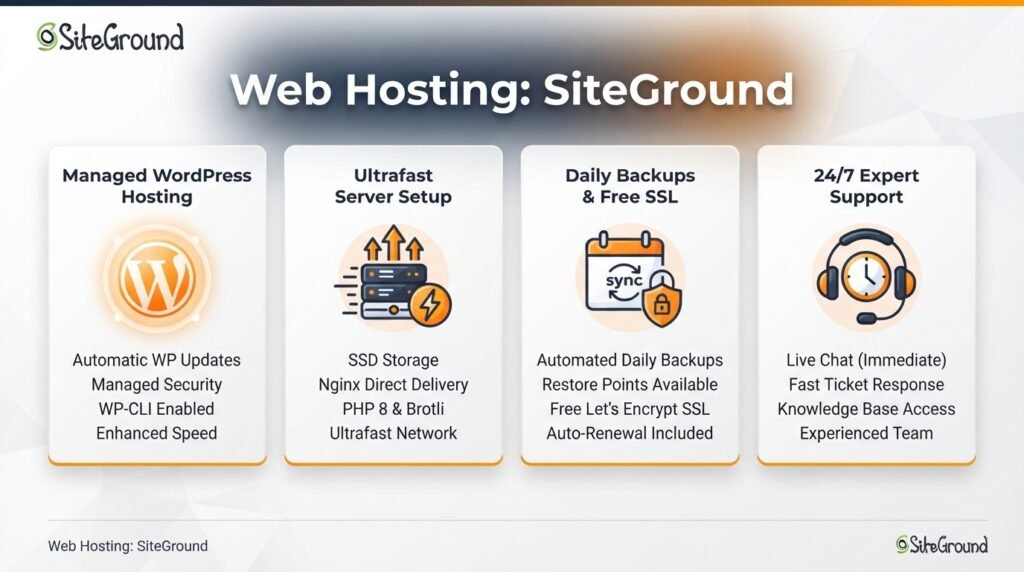
Pricing is where SiteGround asks the most patience from budget conscious buyers. The entry level StartUp plan currently advertises an introductory rate of around three dollars a month for the first term, but the honest number to pay attention to is the renewal rate, which climbs to <cite index=”10-1″>roughly eighteen dollars a month</cite> once that first term ends, a jump of several hundred percent from the promotional price. The mid tier GrowBig and higher GoGeek plans follow the same pattern, renewing considerably higher than their introductory rates. That renewal jump is significant enough that <cite index=”9-1″>it’s often left out of the fine print in more promotional style reviews</cite>, so it deserves to be stated plainly here.
SiteGround has also been investing heavily in newer features. Earlier in 2026, the company rolled out a broader platform redesign, repositioning itself around a wider set of business tools, including an AI website builder, specialized AI agents, and an integrated ecommerce option. These additions are a nice bonus, though a small blog may not need most of them right away.
The honest tradeoff: SiteGround is rarely the cheapest option on any list, and budget conscious bloggers may find better raw value elsewhere, especially at renewal time. But if peace of mind and support quality matter more to you than shaving a few dollars off your monthly bill, it earns its reputation.
Best for: Bloggers who want dependable support and don’t mind paying more for it after the first term.
DreamHost
DreamHost has quietly stayed relevant for years without much flashy marketing, and independent testers continue to recommend it. It’s been a consistent name in independent testing for a long time, with competitive pricing and plans that are structured clearly, without a lot of confusing add ons.
It’s worth noting that DreamHost tends to be recommended more often for small business style websites than for personal blogging specifically, so if your blog is more of a personal project than a business venture, you may find its feature set slightly geared toward a different audience.
Best for: Bloggers who want simple, transparent pricing without upsells, and don’t mind a slightly more business oriented platform.
Namecheap
Namecheap began life as a domain registrar and expanded into hosting later, and this history still shows in a good way and a not so good way. It remains one of the cheapest legitimate hosting options on the market, though the setup experience isn’t quite as polished as SiteGround or Bluehost. On the plus side, it bundles a content delivery network, security tools, and email services, which can save money compared to purchasing those separately.
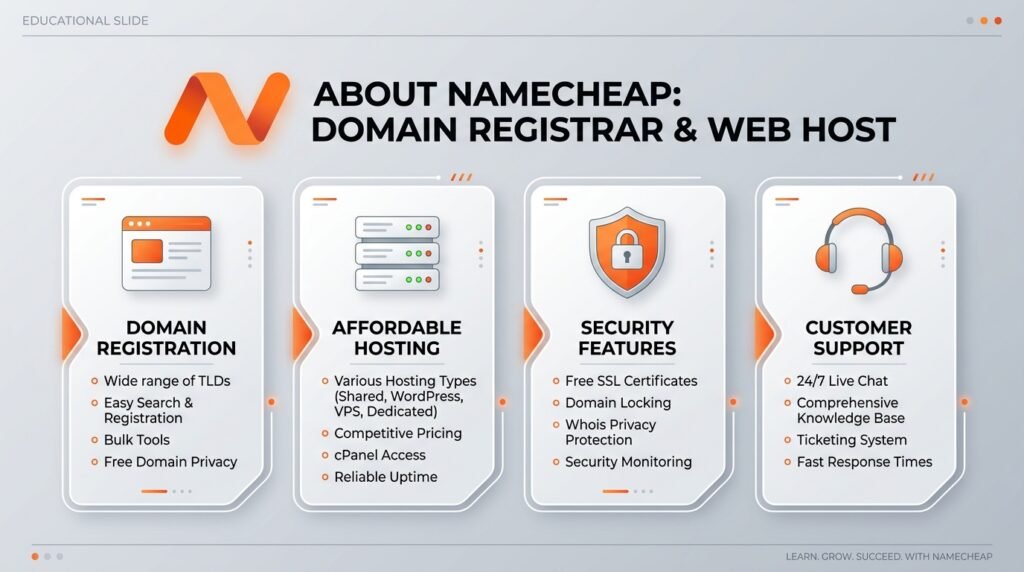
For bloggers planning to launch more than one small site, Namecheap has a particular advantage. Its higher tier shared plan allows multiple websites on a single plan, which is notable since most budget hosting plans limit you to just one site.
Best for: Budget conscious bloggers, especially those planning to run more than one small blog, who don’t mind a slightly less refined interface.
IONOS
IONOS tends to fly under the radar compared to the bigger hosting names, but it consistently earns a spot on best of lists for a specific reason. It’s often described as the best budget friendly blog hosting option, offering an ultra cheap first year alongside solid WordPress tools. It’s also worth noting that even at renewal, IONOS tends to land toward the lower end compared to some competitors, which softens the usual sticker shock that comes with year two pricing elsewhere on this list.
The honest note here is the same one that applies to almost every budget host: the excellent first year price is an introductory offer, so check the renewal rate carefully before committing so you’re not surprised later.
Best for: Bloggers who want a very low cost first year and are comfortable reviewing renewal pricing ahead of time.
WordPress.com and Wix
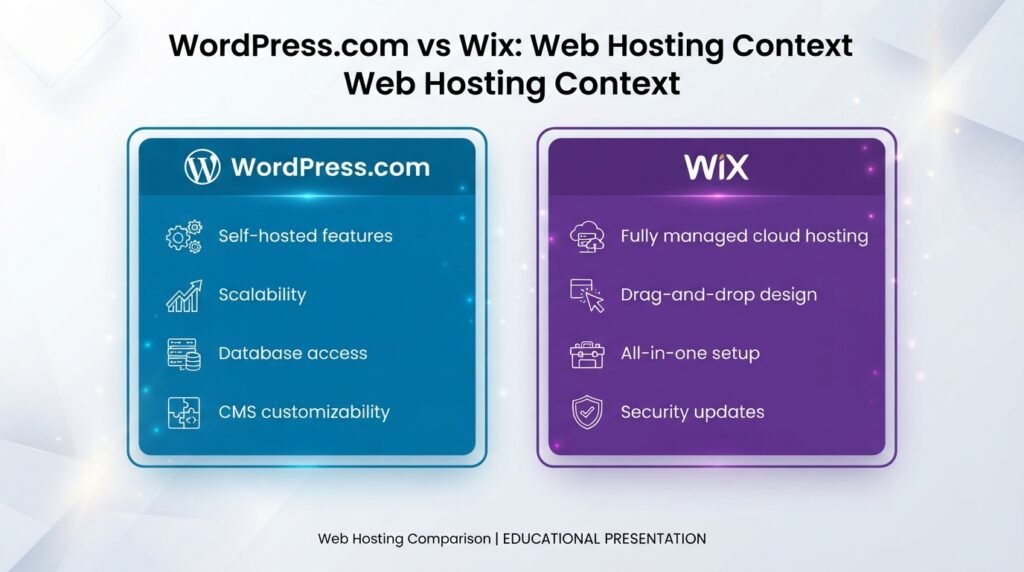
For bloggers who want to avoid separate hosting entirely, all in one platforms are worth a mention, even though they work differently from traditional hosting. WordPress.com is often positioned as the best all in one blog hosting platform, offering managed WordPress hosting with built in management tools, which removes a lot of the technical decision making for beginners.
Wix takes a similar approach from a different angle. While it’s technically a website builder rather than a traditional host, it includes hosting as part of its plans, meaning you don’t need a separate hosting service after building your site, and it even offers a limited free version for testing things out.
The tradeoff with both platforms is flexibility. You generally give up some control over server configuration and certain technical customizations in exchange for simplicity. For a true beginner who just wants to write and publish without touching a server dashboard, that tradeoff is often worth it.
Best for: Bloggers who want the absolute simplest setup and are comfortable trading some technical flexibility for convenience.
A Word on Pricing Tricks
One theme comes up across nearly every provider on this list, and it deserves its own honest callout. Most hosts advertise promotional pricing that only applies to the first billing cycle, so it’s worth calculating the actual renewal cost before committing to any plan. A host that looks like the cheapest option on paper can end up being one of the more expensive choices once your introductory term ends, and as the numbers above show, some renewal jumps run into several hundred percent above the promotional rate. Always check the renewal price, not just the headline number, and if a provider offers a longer lock in term at a lower monthly rate, weigh that against how confident you are that you’ll want to stay with that host for the full length of the commitment.
Our Honest Recommendation
If you want the best overall balance of speed, price, and ease of use for a first blog, Hostinger is currently the hardest option to argue against, provided you’re comfortable with a longer commitment for the best rate. If support quality is your top priority and budget is more flexible, SiteGround remains an excellent, if pricier, choice, especially once you factor in its renewal rates. And if you simply want to skip hosting decisions altogether and focus purely on writing, WordPress.com or Wix will get you there fastest.
There’s no single perfect host for every blogger. The right choice depends on your budget, your comfort with technical setup, and how much you value support over savings. Whichever you choose, read the renewal pricing carefully, test the platform’s speed if a trial is available, and remember that switching hosts later, while not always fun, is always possible if your needs change.